
How to apply
How to apply to universities in Spain
This guide explains how applying to universities in Spain usually works for international students, including the UNEDasiss credential assessment, the direct route to each university, the documents you will need, and how public and private universities differ. It is written for international students planning a first application, and it sticks to the process itself, so you can see the shape of the route before you begin.
Apply through UNEDasiss: https://unedasiss.uned.es/home
The application system
Spain has no single central portal for all universities, and the route depends on the level of study and on whether the university is public or private. For undergraduate study, most international students first go through UNEDasiss, the service run by Spain's National Distance Education University, UNED, which checks foreign secondary qualifications and converts grades to the Spanish scale. After that, you apply through the regional allocation system for public universities or directly to the university. For master's degrees, you normally apply directly to the university.
How applying works, step by step
First, create an account on UNEDasiss, upload your secondary school diploma and transcripts, and request the credential assessment, which produces the access credential Spanish universities use. You can also register for subject exams, known as PCE exams, run by UNED. Next, apply through the regional pre-registration system for public universities, ranking your preferred programmes, or apply directly through the website of a private university. Finally, the university or the regional system makes its offer, and you confirm your enrolment with the university.
What you will need
Applications generally ask for your secondary school diploma and transcripts, a copy of your passport, and proof of language ability in the language your programme is taught in. Documents that are not in Spanish usually need a sworn translation, and your diploma may need to be legalised with an apostille. Some students also need a formal recognition of their diploma, called homologacion, through the Spanish Ministry of Education, depending on the education system they come from. Private universities may also ask for a personal statement, recommendation letters or an interview.
Applying as an international student
For students from outside the EU, the UNEDasiss assessment is the normal first step for undergraduate entry, and it is worth starting it early because credential checks take time. Students from some education systems, including EU systems and the International Baccalaureate, follow the recognition route through UNEDasiss, while students from other systems may also need homologacion. After receiving an offer, non-EU students apply for a student visa at the nearest Spanish embassy or consulate, and register for a student identity card after arriving in Spain if their stay is longer than six months.
Universities in Spain
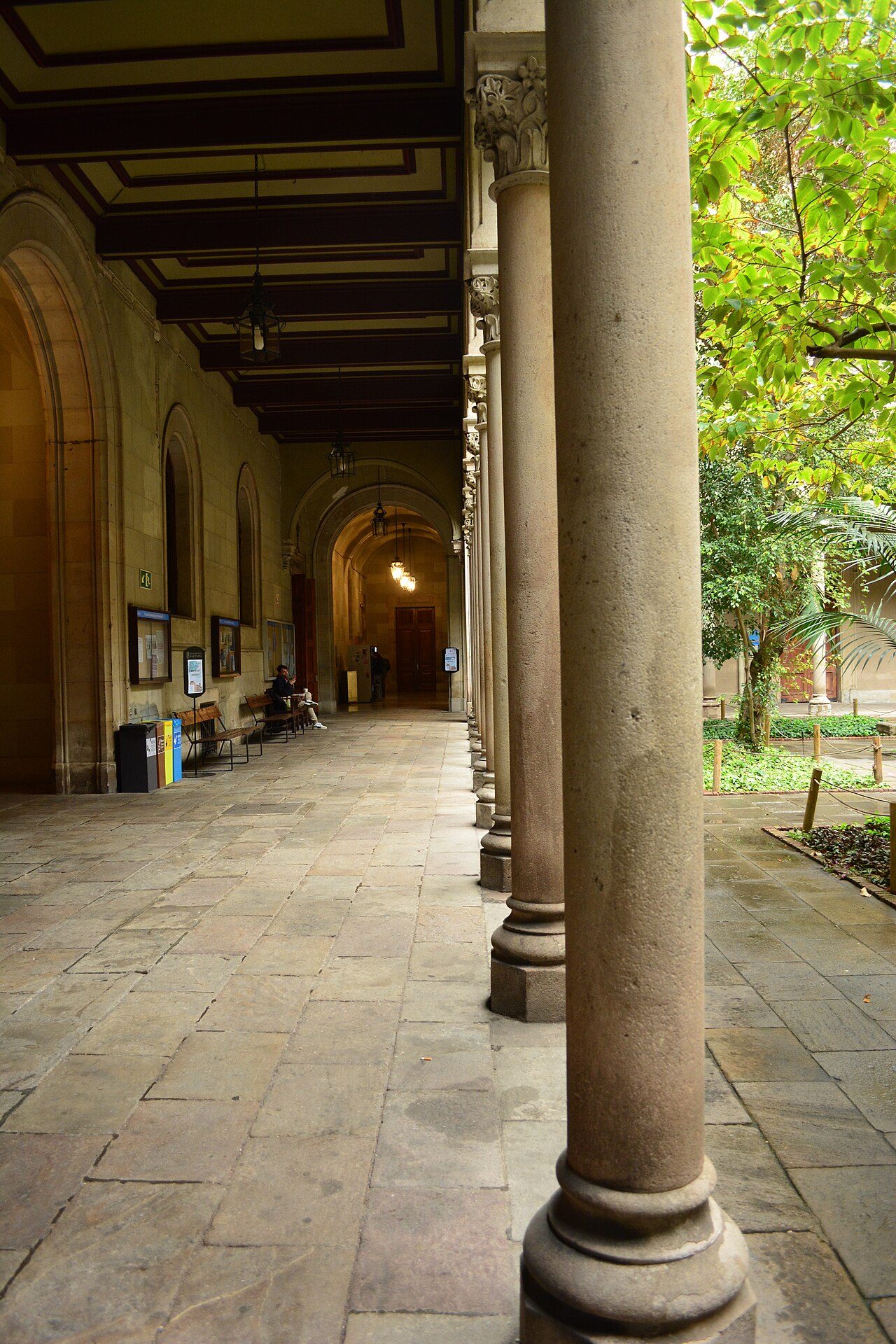
University of Barcelona
QS #160 · 2026
Autonomous University of Barcelona
QS #172 · 2026
Complutense University of Madrid
QS #187 · 2026
Autonomous University of Madrid
QS #206 · 2026
Pompeu Fabra University
QS #265 · 2026
Charles III University of Madrid
QS #301 · 2026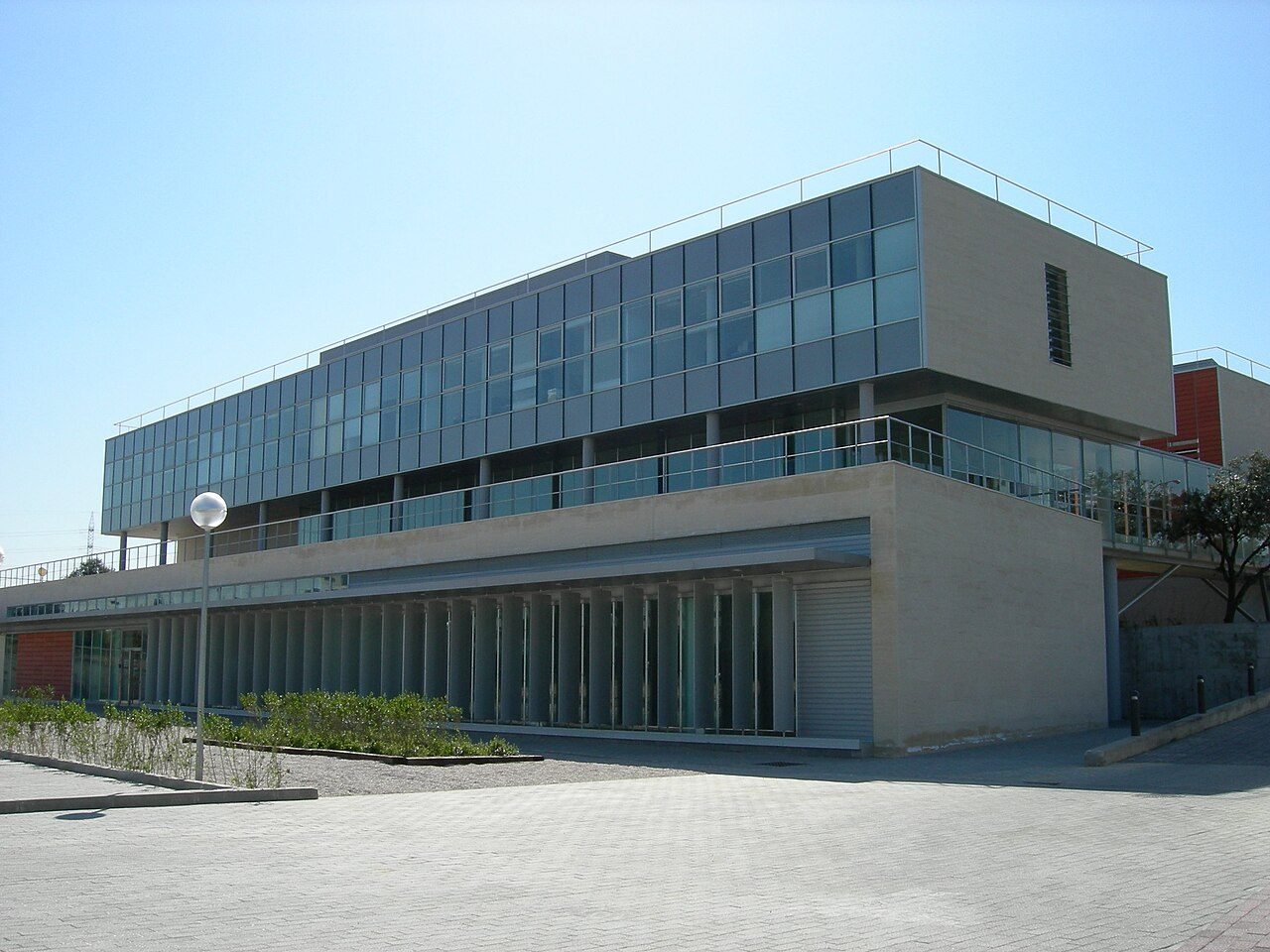
Technical University of Madrid
QS #334 · 2026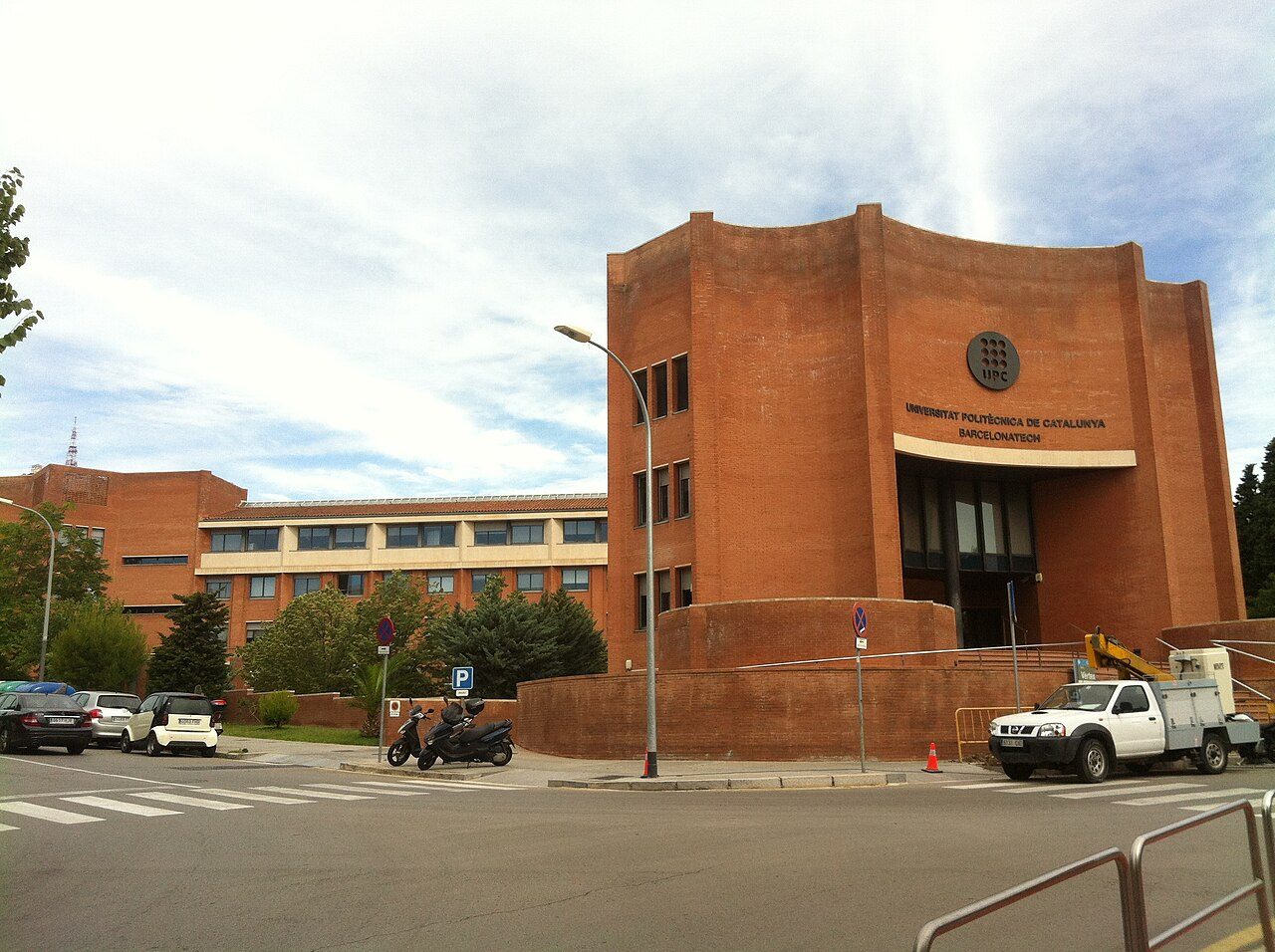
Polytechnic University of Catalonia
QS #392 · 2026Sources
- https://unedasiss.uned.es/home
- https://www.study-abroad.org/study-in-spain/admissions-and-application/
- https://www.studyineurope.eu/study-in-spain/admission-requirements/
Page last updated 14 November 2026. Application systems change slowly; the portal linked above is the current route.